Hear the City Sing: Mapping Birdsong Together
Join a lively neighborhood movement dedicated to crowdsourced mapping of bird song hotspots in residential districts. With simple recordings, thoughtful notes, and cooperative mapping, we can reveal where the morning chorus truly flourishes, understand how urban design shapes soundscapes, and invite more people to listen, learn, and protect the everyday wildlife singing right outside our windows.
Why Neighborhood Birds Matter
The Restorative Power of the Morning Chorus
Daily exposure to birdsong is linked in research to reduced stress and improved mood, especially during early hours when traffic is gentlest. By recording patterns at sunrise, residents can demonstrate calming effects, advocate for greener streets, and share simple routines that help neighbors notice, appreciate, and protect the sounds that begin their day with natural wonder.
Backyard Biodiversity, Measured and Heard
A single garden feeder or a flowering balcony can attract multiple species, producing subtle song overlaps. Crowdsourced audio, combined with habitat notes, clarifies which small interventions work best. Shared maps turn private discoveries into community knowledge, guiding volunteers toward practical actions that nurture richer, more resilient neighborhood ecosystems throughout the seasons.
From Curiosity to Community Science
When residents compare recordings, they build confidence identifying species, noticing time-of-day preferences, and recognizing annual rhythms. What begins as curiosity quickly becomes a community asset, as consistent observations create reliable datasets for educators, planners, and urban ecologists who want evidence-backed suggestions for improving local nature access and everyday environmental quality.
How to Contribute Data Responsibly
High-quality audio and careful notes make every contribution count. Choose safe locations, hold your phone steady, note time and weather, and respect private spaces. Avoid loud conversation, protect sensitive nesting sites, and always prioritize safety and consent. Accurate geotagging and brief habitat descriptions dramatically improve analysis, empowering everyone to add meaningful, trustworthy observations.
Recording Best Practices for Clear Sound
Face away from wind, reduce handling noise, and record at consistent times to improve comparability. Capture short, focused clips near shrubs or canopy edges where singers perch. Note traffic levels, building proximity, and nearby water features, since these environmental details help distinguish genuine hotspots from incidental acoustic amplifiers or transient urban noise.
Respecting Privacy and Property
Never record through windows or over fences, and avoid capturing identifiable conversations. If your clip includes people, seek consent or discard the audio. Use general location markers when needed, especially near private homes or sensitive spots, balancing ecological transparency with community trust, inclusivity, and the safety of both observers and wildlife.
Tools and Platforms for Collaborative Mapping
Open tools keep participation accessible. Pair a simple voice recorder with apps supporting species suggestions and shareable maps. Use community spreadsheets for organizing metadata, and configure open-source visualizations to generate neighborhood heatmaps. Transparent workflows encourage contributions, ensure reproducibility, and make it easy for newcomers to learn, experiment, and collaborate effectively.
Start simple: a phone recorder for audio, a mapping app for pinning locations, and a shared folder for files. Add optional tools for spectrograms or sound identification as comfort grows. Prioritize stability, offline options, and clear export formats to keep collaboration smooth across devices and varying connectivity conditions.
Offer a short guide with screenshots, example clips, and recording etiquette. Run a local workshop or online orientation to demonstrate identifying common species. Provide practice tasks, like tagging a sample dataset, so participants gain confidence before contributing field audio that will anchor reliable hotspot maps and community insights.
Establish a review process with volunteer moderators who flag low-quality recordings, privacy concerns, or misidentified songs. Encourage multiple confirmations and allow uncertainty tags. Maintain versioned datasets and changelogs so analyses remain transparent, reproducible, and credible when shared with schools, councils, researchers, or neighborhood improvement committees.

Analyzing Patterns and Hotspots
Once recordings accumulate, simple spatial methods reveal clusters aligned with trees, courtyards, and quieter lanes. Layer temporal variables to distinguish dawn peaks, weekday patterns, and seasonal shifts. Combine this with noise indices and vegetation indicators to explain why certain corners resonate with song while a nearby block remains comparatively silent.
Temporal Rhythms Along Quiet Streets
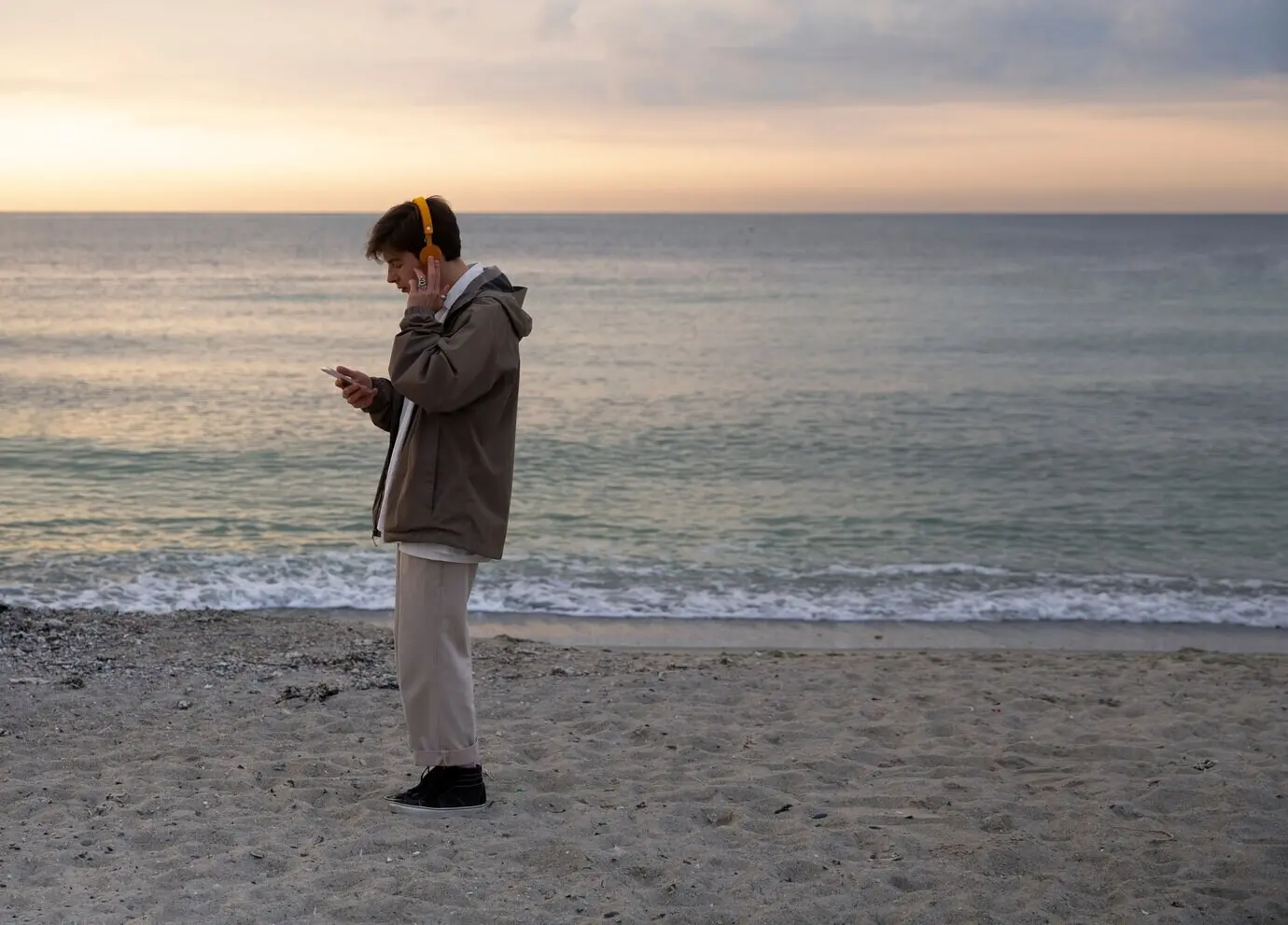
Plot recordings by hour to visualize the dawn surge and midmorning taper. Compare weekdays and weekends to understand traffic effects. Watch how rain, wind, and temperature influence singing intensity. These timelines help residents schedule listening walks, target recording windows, and interpret unusual dips or bursts in their local soundscape.
Seasonality, Migration, and Surprise Guests
Hotspots often intensify during spring arrivals or autumn staging. Annotate maps with migration windows and flowering periods that attract insects and foraging birds. Unexpected visitors become teachable moments that motivate continued monitoring, build community excitement, and remind everyone that urban habitats can host remarkable travelers passing through familiar streets.
Noise, Trees, and Microhabitats
Compare song densities against traffic volumes, building height, and green cover. Even a single mature tree or hedgerow can create a sheltered acoustic pocket where calls carry beautifully. These microhabitats guide targeted planting, suggest noise-calming interventions, and demonstrate how small changes drastically improve auditory access to neighborhood wildlife.
Community Stories and Small Revelations
Personal encounters fuel momentum and teach practical lessons. Sharing brief stories about a balcony discovery or a courtyard duet helps residents understand what to listen for, where to stand, and how patience reveals hidden choruses, inspiring continued participation and care for local green corners and shared public spaces.
A Balcony Discovery at First Light
One volunteer began recording from a fifth-floor balcony, expecting only traffic hum. Within days, distinct phrases from a blackbird emerged between bus intervals. That discovery sparked morning rituals, gentle plantings, and conversations with neighbors who started listening, comparing notes, and turning a noisy block into a curious, caring community.
Kids Turn Soundscapes into Science
A school class mapped songs along their walk-to-school route, noticing bus stops dampen detection while pocket parks amplify melodies. Students proposed a tiny shrub border and posted kid-friendly listening tips. Months later, recordings improved, and families proudly contributed notes that helped refine the neighborhood hotspot map with joyful confidence.
A Courtyard Duet Becomes a Landmark
Two species regularly traded phrases across a sheltered courtyard, creating a reliable listening station. Residents marked it on the shared map and scheduled brief morning meetups. New participants learned identification by ear, built trust, and saw firsthand how collaboration turns casual curiosity into useful, enduring neighborhood knowledge.
Ethics, Inclusivity, and Access
{{SECTION_SUBTITLE}}

Designing for Different Abilities and Ears
Offer adjustable playback speeds, spectrogram visualizations, captions, and vibration cues for notifications. Provide routes with benches, level paths, and safe crossings. Encourage buddy systems, and value observations that are uncertain or descriptive, ensuring each participant’s contribution strengthens the shared map and deepens neighborhood inclusion and care.

Safety When Dawn Is Calling
Promote recording from balconies, porches, or well-lit sidewalks. Recommend reflective clothing, phone wrist straps, and the buddy principle for early walks. Suggest letting someone know your route, and consider virtual participation by annotating archived clips, allowing safety to remain central without excluding enthusiastic contributors from meaningful involvement.

Turning Heatmaps into Planting Plans
Identify sonic deserts and propose native trees, understory shrubs, and pollinator patches that support insects, nesting, and cover. Align plantings with water access and maintenance realities. As vegetation matures, record again, track changes, and celebrate measurable improvements in song richness, duration, and overall community engagement.

Partnering with Councils and Schools
Share digestible reports with simple visuals and brief audio highlights. Invite student clubs to adopt local blocks, logging observations across semesters. Public meetings become more constructive when data is friendly, transparent, and grounded in everyday experiences, bridging citizen observations and practical steps that benefit urban nature and people together.

Measuring Progress Over Time
Set quarterly listening windows, compare baseline maps, and publish small wins like new species detections or improved clarity after planting screens. Consistent methods matter. Celebrating incremental progress keeps participants motivated, informs funding requests, and demonstrates how small, steady actions reshape neighborhood soundscapes in lasting, hopeful ways.
Join the Chorus and Share Your Street
Your listening matters. Add your first recording, invite a neighbor, and leave a note about what you heard. Subscribe for seasonal tips, workshops, and mapping updates. Together we can reveal hidden pockets of song and make every residential block feel more alive, welcoming, and connected.